
Posts

New website for Ann Jay Relationship Coach
We recently put a new site live for Ann Jay, who is a Cayman Islands based relationship coach. This was the second site we built for Ann, having originally built her New Zealand relationship coaching website. View the website online at annjayrelationshipcoach.com
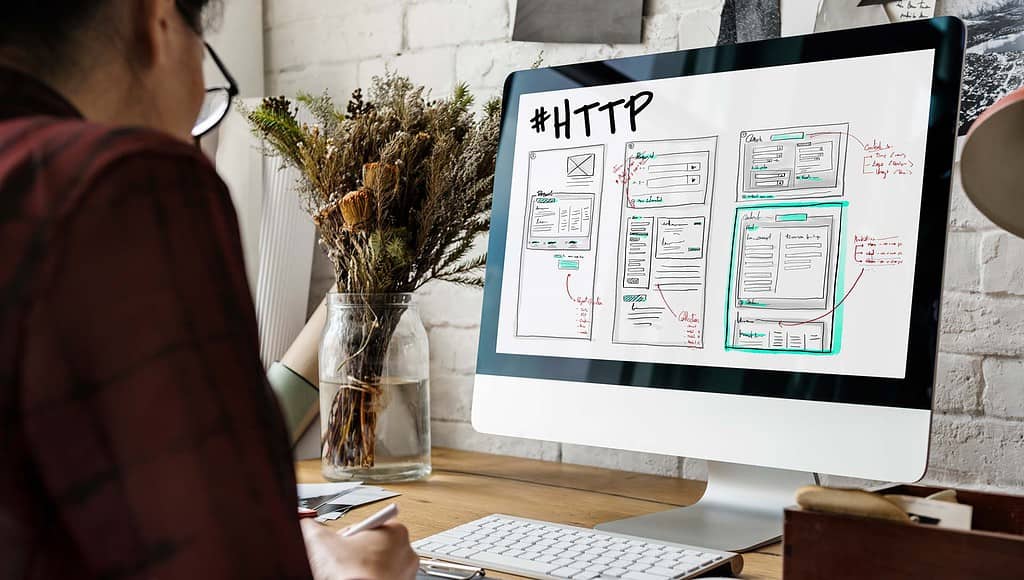
Rescuing a Website on the Brink: A Case Study in the importance of careful WordPress website management
Introduction For one unsuspecting business owner, an impending ‘perfect storm’ of WordPress issues threatened to jeopardise their online presence and commercial success. There was a genuine risk that the website would suffer from multiple technical failures and go offline. Background The client initially sought assistance from Web Matters to address […]

Tips for Creating a Successful Business Website Using WordPress
WordPress is by far the most popular content management system for building sites, and it’s no wonder why; it’s user-friendly, customisable, and offers a range of features that make it an ideal choice for all types of business owners. With its many thousands of plugins and themes you can do […]

Fixing WordPress Critical Errors
One of the most common WordPress errors is the ‘There has been a critical error on this website’ message that is displayed instead of your website. This error can be frustrating, but fortunately, it can be fixed with a few simple steps once you know how. What is the ‘There […]

New Year, New Success: A Business Owner’s WordPress Checklist for 2023
Welcome to a new year filled with endless possibilities and opportunities for your business to thrive! As a business owner, it’s crucial to kickstart the year on the right note, and what better way to do that than by ensuring your WordPress website is in top-notch shape? In this blog […]
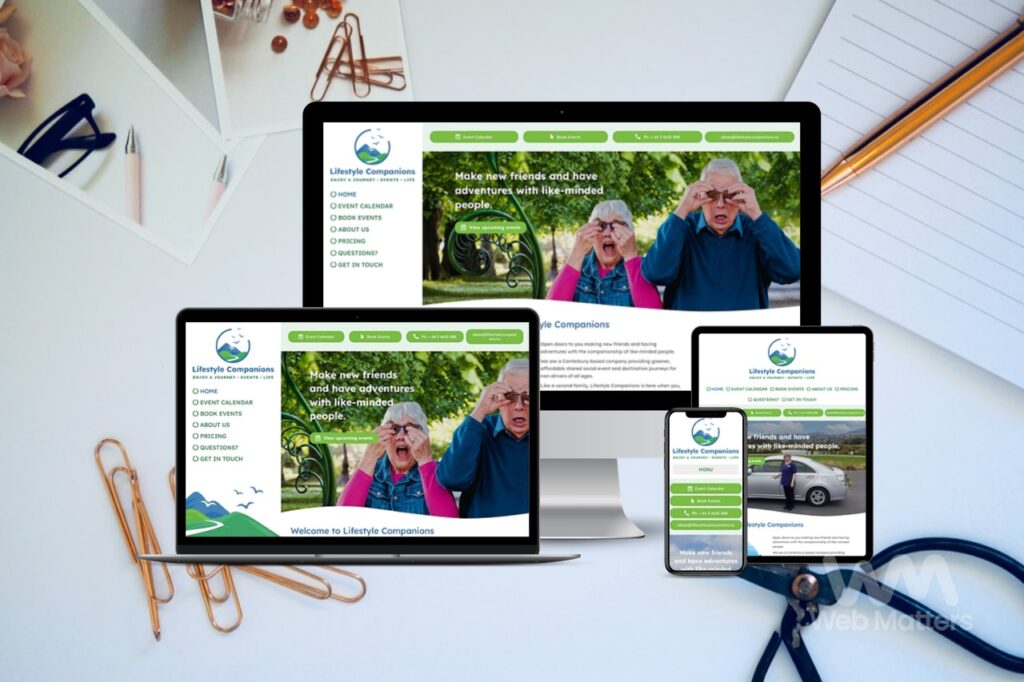
Website design work from 2021
Here are some of the website builds completed in 2021 or early 2022. This includes a mixture of WordPress and Shopify websites and WooCommerce website design and builds. Pakworld Pakworld has been a Web Matters client for several years, so this was a re-design of their previous website. Pakworld is […]

The beginner’s guide to getting a website designed for your business
If you’ve never paid anyone to build you a website before, this blog post is for you. Over the next 13 minutes, I’ll take you through the basics of how websites get built. By the end of this post, you should have a good understanding of the website design process, what it might cost, what to expect, and what to look out for.

Taking over the maintenance and care of an existing WordPress website – some common issues
TLDR – too long didn’t read? Here’s the issue in a nutshell. Working on a website you’ve not built can present many challenges even for the experienced web designer, with inherited issues that can be frustrating and sometimes difficult to diagnose. There’s often a cascade effect with problem after problem […]

Hazel Barlow Coaching website
Hazel works as a business coach and organisation development specialist across the private, public, not-for-profit sectors. She provides coaching and consulting services including organisation transition and project change. The site is online at https://hazelbarlowcoaching.co.nz

GP Electrical Website Goes Live
GP Electrical are Northland electricians, based in Kerikeri and servicing the Northland region. They can provide domestic, commercial, industrial and security electrical services. Their new site went live today and is online at https://gpelectrical.co.nz

What you should know about the third party payout scam
As a long-time internet user, I thought I was pretty good at spotting a scam. But the one I’m about to tell you about caused me to drop my guard, so I want to forewarn you as this type of scam is becoming increasingly common. It’s called a Third Party […]

Will artificial intelligence make copywriters redundant? Or will we always need human writers? I take the Rytr copywriting AI for a spin.
What is Rytr? Rytr is an AI writing tool that will help you write articles in a fraction of the time. No need to spend hours manually researching, structuring, and writing content when Rytr can do most of the hard work for you. Simply plug in a keyword and Rytr […]